
Fitness-for-Service Assessment of an Unmanned North Sea Platform
Confidential
North Sea
BACKGROUND
An unmanned offshore platform in the North Sea found small areas of corrosion on several process pipes made from duplex and stainless steel. Since the platform is remote and not regularly visited, the operator needed to be sure that the pipes could continue operating safely without risking safety, environmental compliance, or production.
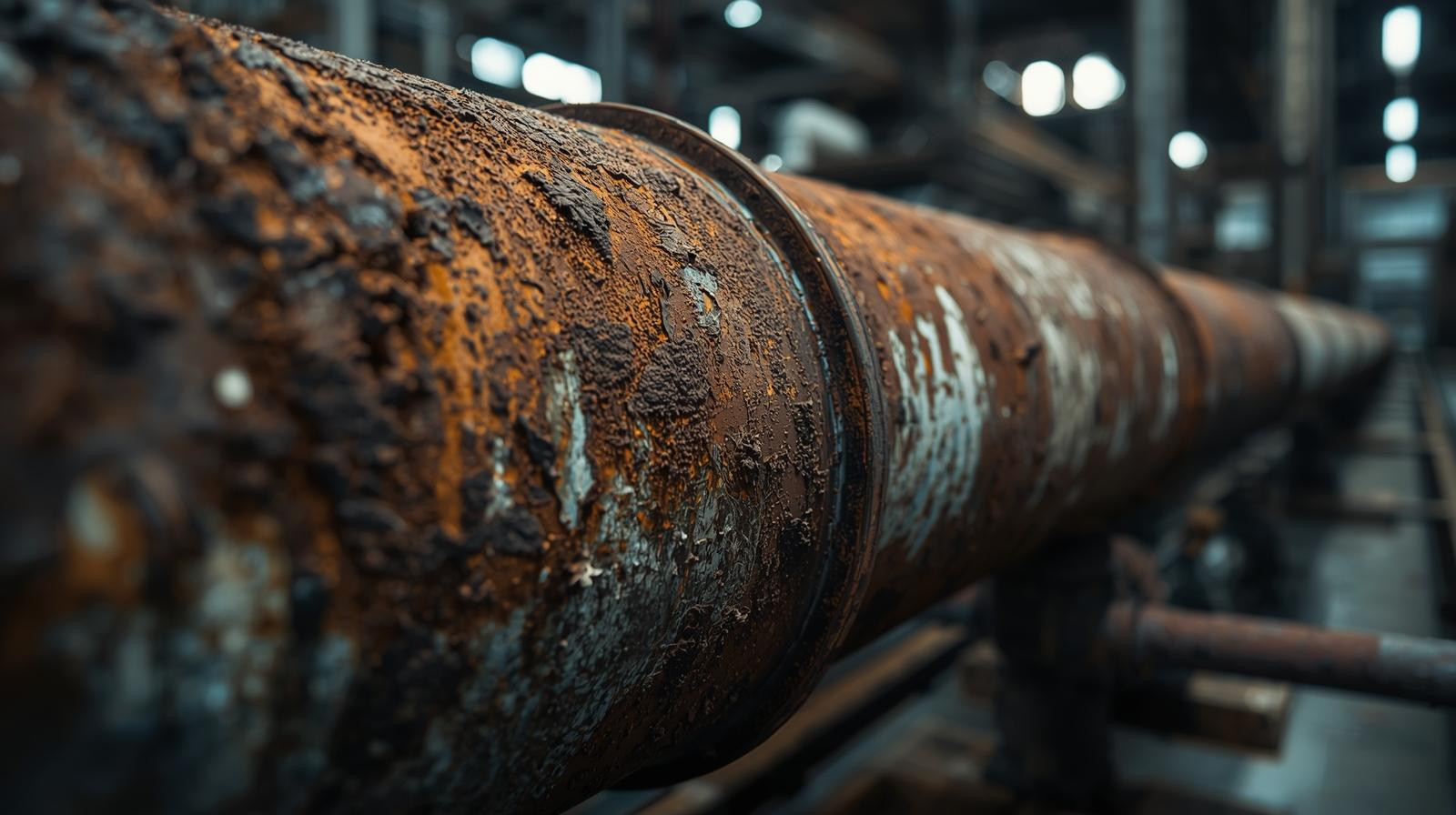
Duplex and stainless steel normally resists corrosion, however, in this case, corrosion formed underneath identification stickers that had been attached to the pipes during installation. Over time, chemicals in the sticker adhesive, trapped moisture, and the harsh marine environment created small areas where corrosion developed. This damage remained hidden under the stickers until it was discovered during inspection.
The operator needed to understand a critical question: Are these lines still fit for service, or is intervention required?
THE CHALLENGE
The corrosion was not spread evenly along the pipes. Instead, it appeared as small pits underneath the remains of the sticker adhesive. This type of very localised damage removes metal in small spots introducing a threat to pipeline integrity and continued safe operation.
On an unmanned offshore platform, replacing pipes is complicated and expensive because of the logistics involved. However, underestimating the problem could lead to a leak or loss of containment.
For this reason, a fitness for service assessment was needed to determine the real risk and decide the best course of action for continued operation with or without repair or replacement.
OGC ENERGY’S ROLE
OGC Energy conducted a structured, risk-based Fitness-for-Service assessment in accordance with API 579. Instead of making one overall judgement for all the pipes, the team assessed them step by step.
First, they reviewed several piping lines based on how they were used and how critical they were to operations. The team then carried out an initial conservative check using Level I assessment criteria. Where if the results were uncertain, they carried out more detailed Level II assessments to avoid replacing pipes unnecessarily.
This evaluation confirmed whether the pipes could still safely contain design pressure under normal operating conditions.
This step-by-step approach allowed the team to make efficient decisions while still maintaining a safe margin.
Reduce risk with our expert advice - Contact us now!